
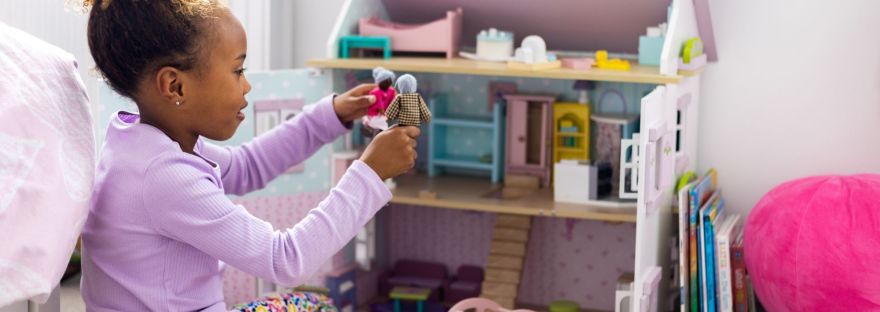
It’s July. By now, I know you’re running thin on hearing, “will you play with me?!” every five minutes. You’re ready for a break. The good news is – independent play is a skill preschoolers and older children can learn and improve on. Here are 3 suggestions for getting started:
1. Start Small
If your child is still little, and accustomed to having a playmate (i.e. YOU) much of the time, encouraging them to play independently will need to happen in baby steps. Remove yourself for small amounts of time and gradually increase the time as their skill improves. Give them kudos when they do manage to entertain themselves without you…even if they weren’t thrilled with it.
2. Connect then Redirect
Our adult brains often wish to get the chores or unpleasant tasks out of the way first, and then do the fun activity with the kids. However, embracing the reverse often works better with building kids’ autonomy! Tell your kiddo you’d love to play board games with them for half an hour, and then you have other tasks you need to finish. Many children find it easier to play independently when their “connection cup” has been filled by a caregiver.
3. Make Yourself Unavailable
This one’s optional. It’s absolutely okay – more than okay, actually – for you to sit on the couch with your book while your children play on their own. However, if your child really struggles with this and you’re feeling frustrated, it might help to appear occupied. Many children are more willing to play alone when they believe their “playmates” are busy, and aren’t simply choosing another leisure activity over hanging with them. It may go over better to say, “I’m going to be folding laundry in my bedroom for a few minutes, and then we can do _____ together!”
(And no, I won’t tattle on you if what you actually do in your bedroom is read.)


