
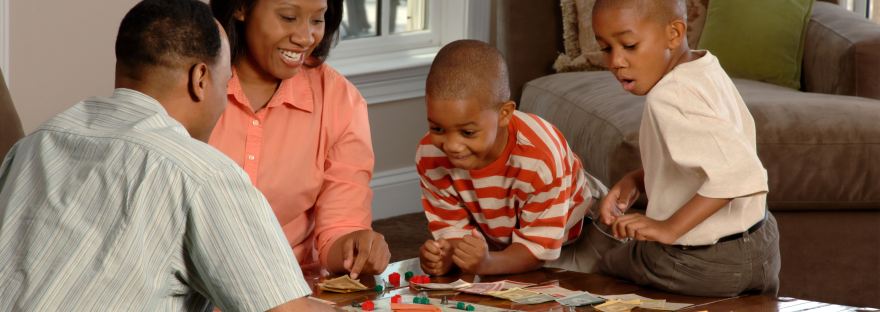
Play therapy is still not well understood by the general population, and parents who are considering it for their child are often justifiably curious as to how it differs from their playtime at home. I wrote this blog post for the sole purpose of objectively explaining the differences, NOT to make parents feel as thought they’re not doing enough during playtime with their kids. Keep doing what you’re doing, and leave the therapy to us!
Difference #1
At home, playtime is likely competing with other distractions – other family members, pets, phone ringing, dinner cooking, and so on.
In a play therapy session, your child has my undivided, focused attention.
Again, this isn’t something to feel bad about. I get your child for 50 minutes a week, and you have them 24/7. They can’t possibly get your full attention all the time.
Difference #2
At home, you and your child already have X numbers of years living with and relating to each other. You have a history. There’s likely certain things they do or say that trigger you – and vice versa.
In a play therapy session, your child has a clean slate – and that can feel really safe and empowering for them.
And when kids’ behavior DOES trigger my own “stuff,” I know how to recognize it and work through it so it doesn’t affect my work.
Difference #3
At home, you and your child (hopefully) have fun during your playtimes, and that’s great! Quality time is important for all relationships.
In a play therapy session, I am using therapeutic skills to help your child understand themselves and develop healthier ways of coping.
And yes, we often have fun together, too! But there’s a different feel to our work together than to what they have with you.
Difference #4
At home, playtime possibly ends – or becomes tense and aggravating for you – if your child does something you don’t like.
In a play therapy session, I calmly use that action as an opportunity for your child to learn to manage their OWN behavior.
In extreme cases, it could still lead to playtime coming to an end, but that’s a last resort after trying other strategies first!
Difference #5
At home, you might wonder whether a certain play behavior is healthy, or if it’s normal for your child’s age.
In a play therapy session, I come equipped with a background in mental health and child development and can screen out what’s normal and not.
I hope this helps clear up any confusion you may have about play therapy. It may also help to read this post, which goes into greater detail on play therapy skills and techniques. You can also pose this question to your child’s therapist – they could likely provide additional differences that I left out here!

 Amanda Robinson, LPC-S, RPT-S